Selling fine jewelry online means protecting a luxury aura while nailing the unglamorous mechanics: faithful product imagery, ring builders, visible certifications, blazing mobile speed, and checkout without friction. Done right, the site stops being a catalogue and starts being a revenue engine. Here's how to build one.
Sizing a new store or a rebuild? Get an instant fixed-price estimate — no sales call needed.
Why Is Jewelry Web Design Unusually Hard?
Most ecommerce has one job: sell. A jewelry site has two that pull in opposite directions. It's a luxury brand experience — mood, restraint, storytelling — and simultaneously a technical store where carat weights, metal alloys, gemstone grades, financing terms, and tax rules must all render flawlessly on a phone in seconds. Templates usually serve one master and betray the other.
Think of the brief as four layers stacked together. The brand layer sets tone through typography, color, and restraint. The merchandising layer organizes collections, lookbooks, and editorial. The transactional layer handles builders, certificates, payments, and returns. The trust layer covers hallmarks, warranties, and repairs. A weak link in any layer shows up as lost conversion that analytics alone can't easily explain.
The prize is large: Bain & Company puts the personal luxury goods market well above €350 billion, with online's share still climbing. Every point of friction hands a high-value buyer to a smoother rival. Bezos nailed the dynamic back in 1999: "If you build a great experience, customers tell each other about that. Word of mouth is very powerful." In jewelry, word of mouth is the business.
Compare notes with fashion and apparel website design and the essential principles of effective web design.
Why Does Jewelry Convert Nothing Like Other Ecommerce?
A $25 impulse buy takes seconds. A $4,500 engagement ring takes a partner, weeks of research, multiple visits, open comparison tabs, a budget conversation, and a knot of specific fears: is it genuine, does the stone match its papers, can I send it back, will it suit her hand?
Standard metrics break under that weight. Bounce rate means little when a three-week consideration cycle is normal. Add-to-cart misleads because most serious buyers want a human conversation first. Watch average order value, return rate, and time-on-product instead — they predict jewelry revenue far better.
The blockers that still sink jewelry sites:
- Dead photography. Flat, stock-lit shots make a fine diamond look like costume jewelry. Gorgeous pieces, murdered by the camera.
- Vague materials. "18k gold" with no weight, provenance, certification, or allergy info pushes shoppers to a rival's spec sheet.
- No try-on confidence. No AR, no home trial, no showroom appointment option.
- Buried trust. Returns hidden in the footer, certificates invisible, hallmarks absent.
- Sluggish pages. Seven seconds on a 4G connection and the visit is over before the hero loads.
A serious brief maps each blocker to a concrete design answer. The product-page machinery is detailed in our ecommerce SEO automation guide; the store layer in the ecommerce website design playbook.
What 6 Elements Does Every Jewelry Site Need?
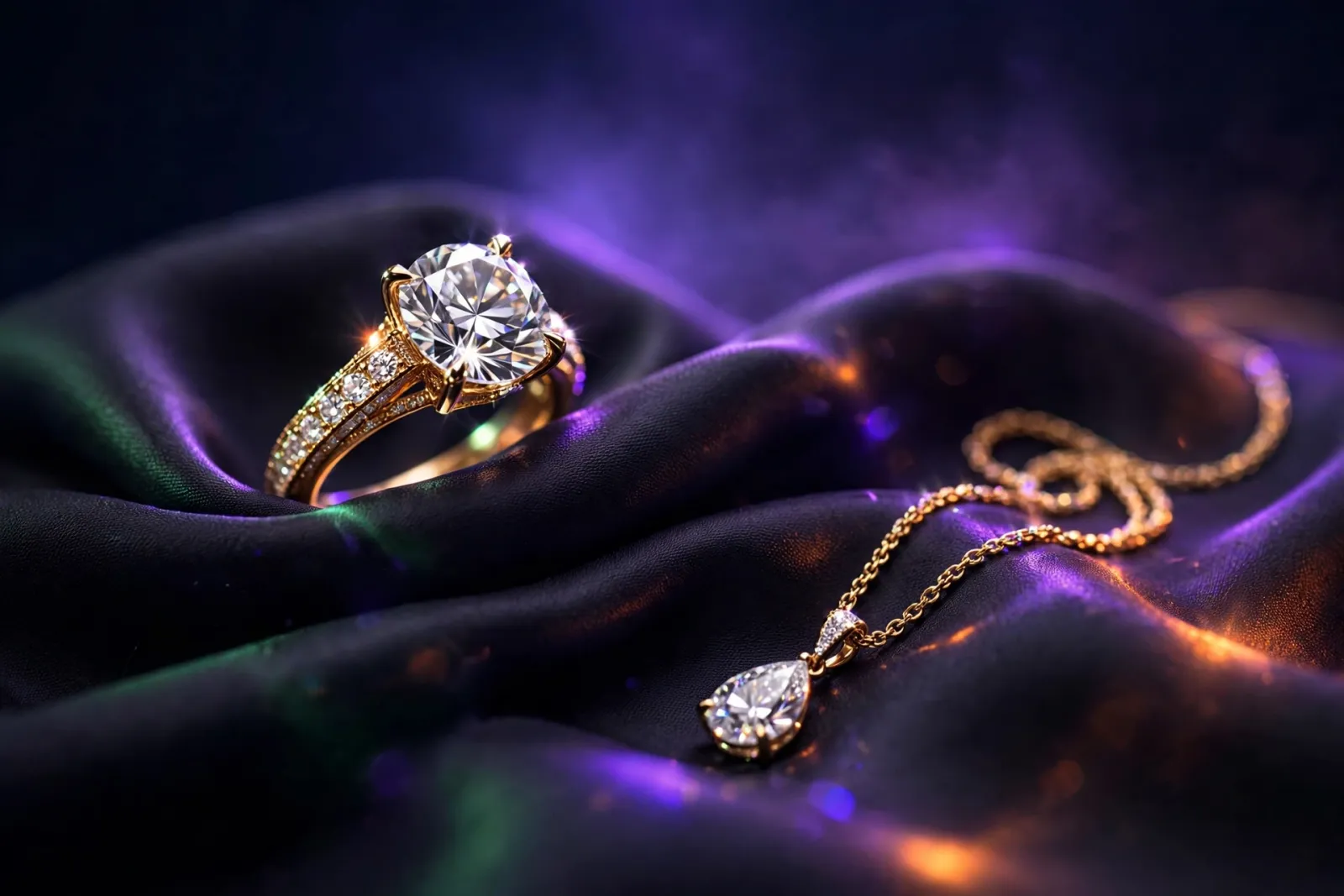
1. Photography that does the selling. Four frames minimum per piece: clean catalogue shot, scale reference on a hand or wrist, macro detail of stone and setting, one editorial frame. Color calibrated and consistent across the whole catalogue — uneven imagery downgrades a luxury brand to mid-market instantly.
2. Total material transparency. Metal, karat, total and per-stone carat, cut, color, clarity, origin where it matters, plus a digital certificate link (GIA, IGI, HRD, or your own in-house grading). Hiding any of this breeds doubt; showing it kills the most common pre-purchase question before it's asked.
3. A ring builder, not a catalogue. Engagement buyers need: pick setting → pick stone → pick metal → add engraving → watch the live total. Made-to-order pieces need a brief-builder producing a saveable configuration link. Static listings lose these buyers to builder-equipped rivals within weeks.
4. Trust signals in the viewport. "30-day free returns," "lifetime resizing included," "diamonds over 0.30ct GIA-certified," visible hallmark marks — on the product page, not the footer. These are sales instruments, not legal boilerplate.
5. A story worth linking to. The designer, the sourcing, the workshop — told with real founder photos and process video. Editorial pages lift perceived value, attract press, and earn the backlinks that SEO runs on. Purely transactional stores starve for links.
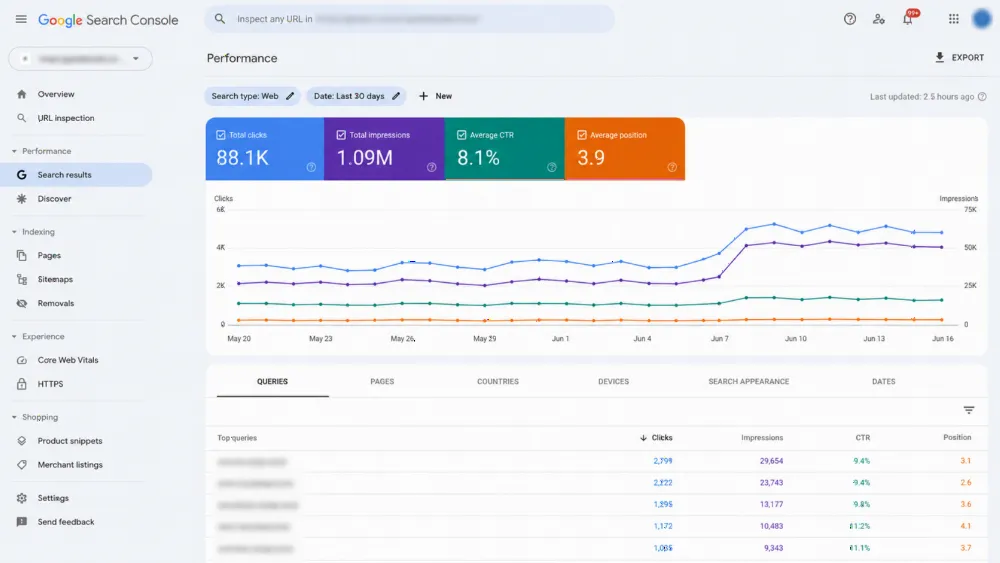
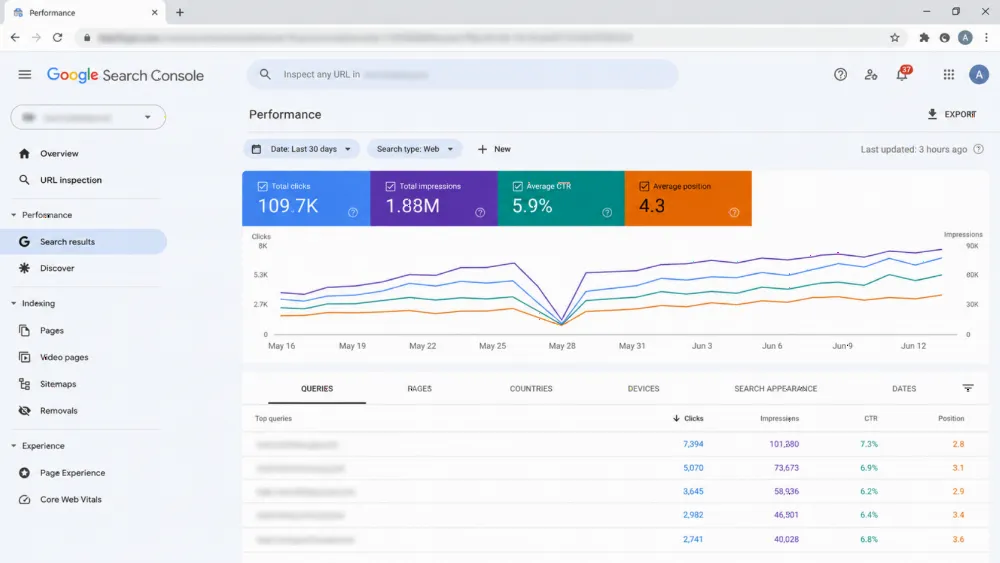
6. Ruthless performance. Google's bar for a "good" Largest Contentful Paint is 2.5 seconds (web.dev), while jewelry heroes routinely exceed four — and Google's benchmarks show 53% of mobile visits die after three seconds (Think with Google). WebP/AVIF heroes, responsive image sets, lazy loading, and a CDN are mandatory.
Keep everything aligned to responsive web design best practices and the Core Web Vitals 2026 launch checklist.
What Technology Do Jewelry Buyers Expect Now?
360° spin and deep zoom. Turntable sequences (24–36 frames) with drag-to-rotate, plus a zoom that pulls a 4000px master on demand, come as close as software gets to holding the piece. Sirv, Magic 360, a custom Three.js viewer, or Shopify apps all deliver — pick by catalogue size and platform.
AR try-on. Past gimmick stage for rings and earrings: vendor studies report 30–90% conversion lifts when it's done properly — real hand/ear training data, believable lighting, and a static scale-shot fallback when camera access is refused. A crashing AR demo damages trust more than no AR at all.
Modular configurators. The ring builder is the highest-ROI feature in jewelry ecommerce. Even without a same-session sale, an emailed saved configuration is a perfect remarketing hook. Keep it modular — setting, stone, metal, engraving, certificate — with totals recalculated live.
Certificate viewers. For stones above your threshold (often 0.30ct or 0.50ct), show the certificate on the product page: structured fields plus a downloadable PDF, with the certificate number visible so buyers can verify directly — e.g., through GIA Report Check. Structured rendering beats PDF-only for both SEO and accessibility.
Weigh your platform with the Shopify vs WooCommerce 2026 breakdown; if a bespoke front-end is on the table, read React and Next.js for business owners.
Shopify, WooCommerce, or Headless: How Do You Choose?
Platform choice is the highest-stakes decision in the project — get it wrong and every feature above triples in cost.
| Shopify / Plus | WooCommerce | Headless (Next.js + commerce API) | |
|---|---|---|---|
| Launch time | 4–6 weeks | 6–10 weeks | 10–16 weeks |
| Ring builder | Apps exist; constrained | Needs custom plugin work | Full freedom |
| 360° / AR | Strong app market | Patchy plugin quality | Bespoke, best fidelity |
| SEO | Good, URL limits | Excellent when configured | Excellent, total control |
| Speed at scale | Good (hosted) | Hosting-dependent | Excellent |
| 3-year cost, mid-market | $25k–$60k | $18k–$45k | $60k–$150k |
| Right for | Fast launch, standard range | Ownership with a dev partner | Complex builders, multi-region |
Most brands launching a first or second-generation store reach revenue fastest on Shopify with specialist apps. Go headless when builder complexity, speed demands, or multi-region pricing genuinely outgrow the platform. The guiding rule: pick the cheapest platform that covers your two-year roadmap. Over-platforming is the classic $40,000 jewelry mistake.
Deeper reading: Shopify vs WooCommerce 2026 and WordPress vs Webflow vs custom. Ready to build? Our ecommerce web development service delivers all three routes on fixed pricing.
What Kills Jewelry Sales Online?
From audits of jewelry stores across the Gulf, US, UK, and India (2024–2026) — all fixable, most still live:
- No scale reference. Pure-white shots leave buyers guessing dainty vs chunky. Every listing needs a worn shot.
- Unfiltered mega-collections. A 400-SKU "Engagement Rings" page with no filters for metal, stone, carat, price, or setting sends shoppers elsewhere.
- Click-heavy purchasing. Extra steps bleed intent — Baymard's research puts average cart abandonment at 70.19%, so quick-view from collection pages matters (Baymard).
- Blind engraving. Free-text fields with no live preview erode trust. Render the text in the chosen font as they type.
- Stock "Our Story" photos. A stock founder photo kills the luxury claim on arrival.
- Timid returns messaging. Returns and warranties are conversion tools — merchandise them, don't footnote them.
- Missing Product schema. No structured data means no price, availability, or ratings in Google results — free traffic discarded (Google Search Central).
Benchmark your store against the technical SEO 2026 playbook, and guard rankings through a rebuild with the redesign migration checklist.
How Does WebStackRank Handle Jewelry Projects?
Fixed scope, project pricing, no retainers, no hourly billing — and full code and IP ownership transferred at launch. Standard timelines: 6–10 weeks on Shopify, 10–16 weeks headless. Both assume photography is ready or booked within the first fortnight.
Each project pairs a senior ecommerce engineer with a luxury-minded UI/UX designer — the combination that keeps a fast store from looking generic and a beautiful store from crawling. Builders, AR, certificate viewers, and Product schema are designed in from day one, with ranking foundations from our SEO-friendly web development service.
Board-ready numbers: the quote calculator asks about catalogue size, builder needs, AR scope, and timeline, then returns a range you can present internally.
Frequently Asked Questions
What should a jewelry website cost in 2026?
Small-to-mid brands: $12,000–$35,000 for a clean Shopify build over 6–8 weeks. Mid-market Shopify Plus or WooCommerce with builder, AR, and certificate viewers: $30,000–$80,000. Established brands going fully headless with multi-region pricing: $80,000+. Photography and ongoing content sit outside these figures. Cross-check with 2026 website cost benchmarks.
Shopify or custom — how do we decide?
Default to Shopify unless a builder or performance requirement genuinely exceeds what its ecosystem can do. Brands under ~$5M online rarely need more. Above that, or with deeply bespoke configurators and regional pricing, headless earns its keep. Burning the marketing budget on day-one over-engineering is the failure mode to avoid.
What photography does each piece need?
Four shots minimum: neutral catalogue frame, worn/scale reference, macro of stone and setting, one editorial image. Calibrated color, consistent backgrounds across the range. Inconsistent imagery is the fastest way a luxury store starts reading as mid-market.
How are 360° views produced?
Shoot 24–36 evenly spaced turntable frames per piece, then play them in a drag/hover viewer (Sirv, Magic 360, custom Three.js, or a Shopify app). Allow 5–15 minutes of shoot-and-process time per piece plus one-off viewer setup. Time-on-page typically jumps 40–120%.
How should certificates appear on product pages?
Either a modal PDF embed or — better — structured certificate fields (carat, cut, color, clarity, fluorescence, measurements) with a PDF download. Structured data wins for SEO and accessibility. Always display the certificate number so buyers can verify it themselves via GIA Report Check.
Which payment options convert high-ticket pieces?
Cards plus Apple/Google Pay cover most orders. Past ~$2,000, financing (Affirm, Klarna, Tabby in the GCC) lifts conversion by reframing the price monthly. Above $10,000, offer bank transfer — a minority of top buyers insist on it. Surface every option on the product page, not just at checkout.
What's a realistic timeline?
Six to eight weeks for a tidy Shopify build with photography in hand; ten to twelve if shooting runs alongside; twelve to sixteen for custom builders, AR, or headless. Sub-six-week promises for a serious jewelry store mean templates or skipped work. Our phases run on a two-week sprint timeline.
Sources & Further Reading
- Baymard Institute: Cart Abandonment Rate Statistics
- web.dev: Largest Contentful Paint (LCP)
- Think with Google: The Need for Mobile Speed
- Google Search Central: Product Structured Data
- GIA: Report Check
- Shopify: Theme Architecture
- W3C: Web Content Accessibility Guidelines
Last updated: 11 October 2026 (Asia/Dubai, GMT+4).
Briefing a build or a rebuild? Talk to our ecommerce development team — a senior engineer and designer will review your catalogue, builder needs, photography, and timeline, then return a fixed-scope proposal within a working week. Or start with the quote calculator for an instant range.