A first startup website has one job: turn a visitor who has never heard of you into an enquiry you can answer. Everything that serves that job belongs in the first build. Everything else — the brand film, the large blog, the second language — can wait until the offer is validated. Below: what to build first, what to skip, and what each starter scope costs.
The Short Answer: Build the Enquiry Path First, Everything Else Second
Build these four first; defer the right-hand column until its trigger happens.
| Build first | Skip for now — and the trigger to add it |
|---|---|
| One clear offer page with one next step | Blog — add when you have a proven topic |
| Trust basics: legal name, licence details, real contact details | Full Arabic version — add when Arabic enquiries are a real share of demand |
| Working contact path: form plus WhatsApp | Custom animation and brand films — add when the offer stops changing |
| Findability basics: titles, Search Console, map listing | Online payments — add when you sell a fixed product online |
| — | Extra service pages — add when a service has paying customers |
If budget forces a choice, fund the left column completely before spending on the right.

The Problem: Polish First, Customers Later
Agencies and templates present the finished-company website as the starting point, so budget flows to logo suites and pages for services with no customers yet. The site launches late, and converts weakly because the one page that matters received a fraction of the effort.
A pre-revenue startup's scarcest resource is validated learning: real enquiries reveal whether the offer and audience are right. Every week spent polishing pages nobody visits delays that learning. Build the smallest site that can win and handle first customers, then expand with evidence. Our general startup web design guide covers design quality; this article covers only sequencing.
Build First #1: One Clear Offer Page With One Next Step
The first page states, in its opening screen, what you sell, who it is for and how pricing starts — then offers exactly one next step: book a call, request a quote or message on WhatsApp. One page, one audience, one action. Supporting detail sits below: how it works and what is included.
Resist splitting this across five thin pages. Until you know which service line wins, one strong page gives every advert, post and referral a single destination. When a second offer starts winning enquiries, it earns a page — the worked examples below map both cases to published packages.
Build First #2: Trust and Legitimacy Basics a UAE Buyer Checks
A UAE buyer who has never met you checks legitimacy before price. The basics are cheap to publish and expensive to omit: registered trade name, licensing authority, a real address or service area, phone number and email on your own domain. The UAE Government Portal's consumer-protection guidance expects online sellers to make licensing details available, so confirm the exact display requirements for your licence type with your licensing authority. Dubai-licensed businesses should also expect to display their Dubai Unified Licence QR code, which Invest in Dubai says should be published on premises and digital platforms, including websites.
Keep the same name, phone and details on the site, the Google listing and social profiles. A founder photo and a short, honest "new company" story beat borrowed stock imagery and claims you cannot support. Never publish testimonials, client logos or results you do not have; early customers forgive a young business, not a dishonest one.
Build First #3: A Working Contact Path — Form Plus WhatsApp
In the UAE, the first conversation usually starts on WhatsApp, not email. Build both paths and test them. The form should be short — name, contact detail, one message box — and tested end to end. The WhatsApp path should be one tap from every page on mobile, to a number actually monitored during business hours.
Decide before launch who replies, how fast, and with what first questions. An enquiry path ending in an unmonitored inbox is worse than no website. Keep one path primary so visitors never choose between three equal buttons.

Build First #4: Findability Basics From Day One
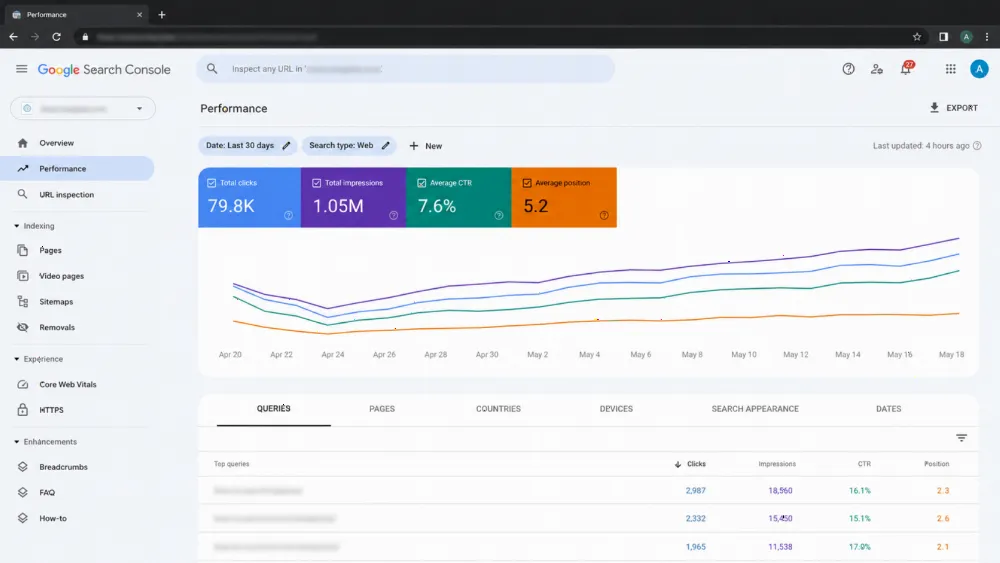
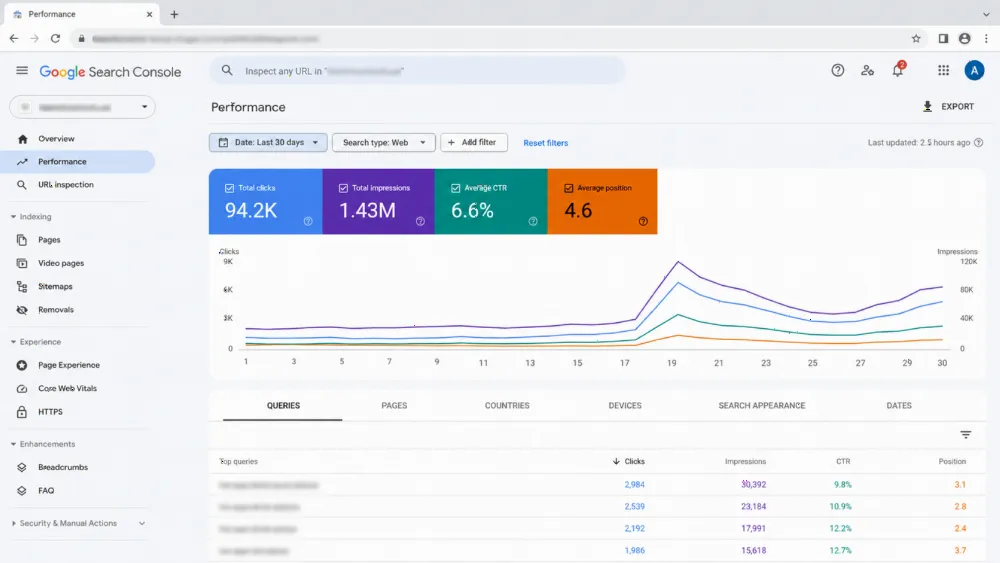
Findability basics are nearly free at build time and expensive to retrofit. Give every page a unique title and description, use one clear heading structure, connect Google Search Console, submit the sitemap, and claim the Google Business Profile with the same details as the site. Google's SEO Starter Guide covers these fundamentals — follow it rather than buying SEO services before you have enquiries.
One strong offer page, a map listing and a site that loads quickly on phones make a startup findable for the searches that matter — its name, its service in its area, and referrals. Our website development process guide shows where these basics sit in a build.
What to Skip (For Now): The Defer List and When Each Item Earns Its Place
A full Arabic version earns its place when Arabic enquiries become a real share of demand, or a partner or tender requires it — translating an unproven offer doubles content work. A blog earns its place when one topic repeatedly comes up in sales conversations and you can publish consistently.
Online payments earn their place when you sell a defined product at a fixed price; until then, an enquiry and an invoice are faster and cheaper. A portal, app or automation earns its place when manual handling of a proven process costs time every week. Until a trigger fires, money spent on the defer list is money taken from the enquiry path.
Worked Examples: Three Starter Scopes at Published Prices
WebStackRank's published starter packages price that sequence with scope fixed in advance. These are the only prices in this article, from the fixed-price web design page; the pricing page and our guide to how much a website costs cover the rest.
| Starter scope | Published price | Indicative timing | Fits when |
|---|---|---|---|
| One-Page Website | AED 990 fixed | Around 5–7 working days | One offer, one audience, one next step |
| Small Business Website, up to 5 pages | AED 2,490 | 2–3 weeks | A few proven services need pages |
| Basic Business Web App | AED 4,990 | 3–4 weeks | The offer is a simple tool or portal |
All three share the same published terms: 50% deposit to begin and 50% at launch, an itemised proposal within 24 business hours, 3 months of free maintenance on starter packages, and full ownership transfer on final payment. The quote calculator tests your own scope against the same structure.

A Founder's Pre-Brief Checklist
Before briefing anyone, write down: the one offer and audience; the single next step a visitor should take; your trade name, licensing authority and contact details; your WhatsApp number and who monitors it; any proof you can honestly publish, such as credentials or pilot customers; and your defer list with its triggers. Bring that page to the first conversation.
Common First-Website Mistakes
The most common mistake is buying the finished-company website first: many pages, two languages and a brand suite, launched months late to no audience. Next is the opposite error — a site with no trust basics and no working contact path, wasting the referrals a founder does win.
Other frequent errors: publishing prices nowhere while asking visitors to enquire, collecting enquiries into an inbox nobody monitors, copying a funded competitor's structure, and treating the first website as permanent instead of an instrument for learning — choose a scope that makes expansion easy.
Frequently Asked Questions
What should a startup website include at launch?
Four things: one clear offer page with a single next step, trust basics — trade name, licensing authority and contact details — a tested contact path of a short form plus WhatsApp, and findability basics such as unique titles, Search Console and a claimed Google Business Profile.
Is a one-page website enough for a startup?
Usually, yes. With one offer for one audience, a single strong page carries the offer, the trust basics, your honest proof and the contact path. Move to a multi-page site when a second service starts winning enquiries.
How much does a startup website cost in the UAE?
At WebStackRank's published starter prices: a one-page website is AED 990 fixed, a small business website of up to five pages is AED 2,490, and a basic business web app is AED 4,990, each with a fixed scope. Custom scopes are quoted individually.
Should a UAE startup launch in Arabic as well as English?
Only when demand is already there. Launch in the language your first customers enquire in, and add Arabic when Arabic enquiries become a real share of demand, or a partner or tender requires it. Translating an unproven offer doubles the content work.
When should a startup expand or rebuild its first website?
Expand page by page when triggers fire: a service winning enquiries earns a page. Consider a rebuild only when the platform blocks a proven need, such as bookings or payments it now requires, not because the design feels old.
Start With the Scope That Wins First Customers (CTA)
Start with the smallest scope that carries your offer, your trust basics and a working contact path, and let real enquiries tell you what to build next. WebStackRank's fixed-price web design packages fit this stage: a one-page site at AED 990, a small business site at AED 2,490, or a basic web app at AED 4,990, with 50% to begin, an itemised proposal within 24 business hours and full ownership on final payment. Send your one-page pre-brief — offer, audience, next step — and we will recommend the smallest scope that fits.