Your listings are easy to find on Bayut and Property Finder and almost impossible to find on your own site. The feed works, the pages load, and still Google ignores them. Usually the cause is not a settings error. It is that your listing pages are near-identical copies of the portal versions — same description, same photographs, same title — published on a far weaker domain, and that they keep dying young: sold and rented units are deleted or their URLs recycled before the pages build any indexing history. Google is not punishing you; it is choosing the portal copy and discarding yours.
The Short Answer: Google Indexes the Portal Copy and Discards Yours (diagnosis table)
When Google finds substantially the same page in several places, it picks one version to index and treats the rest as duplicates. For a syndicated Dubai listing, the candidates are your page and the portal's — and the portal wins on domain strength and history almost every time. Add churn and thin content and the result is a site full of listing URLs that sit in "Crawled — currently not indexed" or "Duplicate, Google chose different canonical than user" indefinitely. Match your symptom to its cause before changing anything:
| What Search Console shows | Likely cause | First move |
|---|---|---|
| Duplicate, Google chose different canonical — the portal URL | Portal duplication | Differentiate your listing copy |
| Crawled — currently not indexed, clustered on listings | Thin, templated pages | Add original content per listing |
| Listing URLs dropping out, 404 spikes | Churn: deleted or recycled URLs | Adopt a sold-listing URL policy |
| Thousands of filter and sort URLs discovered | Faceted duplicates | Canonicalise and clean the sitemap |
First, Prove It: Reading the Page Indexing Report for Listing URLs
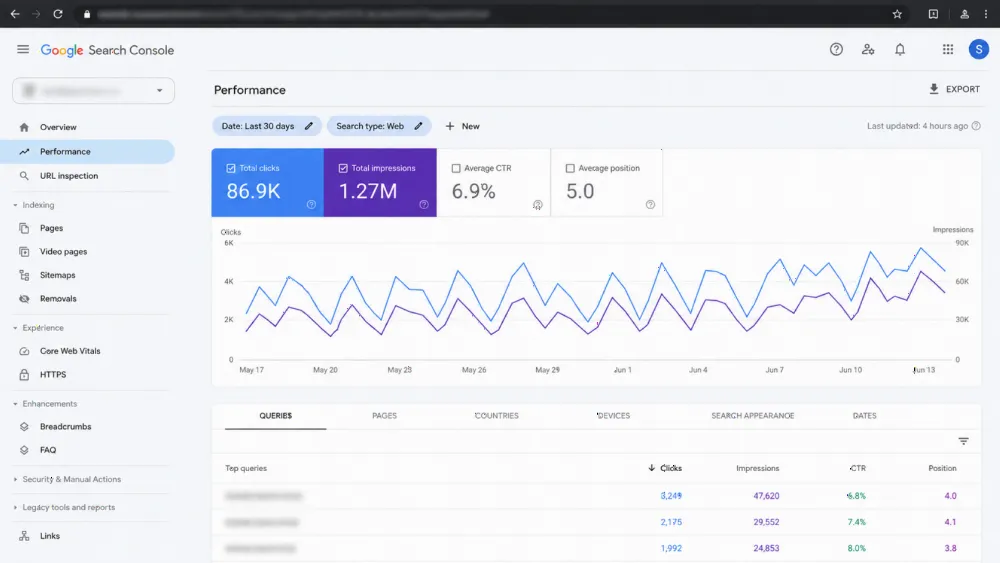
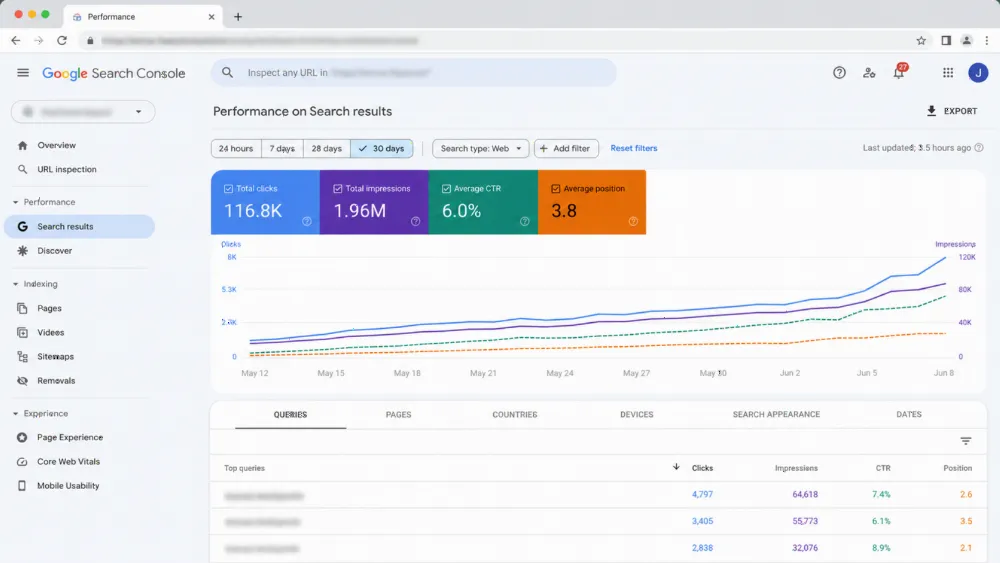
Do not start by resubmitting URLs. Start with evidence. In Google Search Console, open the Page Indexing report and filter to your listing URL pattern. Note which exclusion reasons dominate, then inspect three or four individual listing URLs with the URL Inspection tool and read the canonical Google selected. If Google's chosen canonical is the Bayut or Property Finder URL for the same property, duplication is confirmed, not suspected. If the reason is "Crawled — currently not indexed" with your own URL as canonical, the problem is value: Google fetched the page and decided it added nothing. If listings show as "Not found (404)" in growing numbers, churn is eating your inventory. Discovery, crawling and indexing are three separate decisions; each cause below fails at a different one. Our guide to a technical SEO audit service in Dubai shows how this reading fits a full audit.

Cause 1: Portal Duplication — the Same Listing, Word for Word, on a Stronger Domain
Syndication is built to copy. Bayut describes Profolio as its listings management software for registered agents, and Property Finder's Partner Hub presents PF Expert as the dashboard where brokerages manage their listings — the listing record your operation supplies — title, description, photographs, price — is what the portal publishes. If your own website renders that same record unchanged, you have published a duplicate of a page on one of the strongest property domains in the region. Google consolidates duplicates by selecting the version it judges most complete and authoritative, and that judgement rarely favours the brokerage site. The portal page gets the index slot, the impressions and the enquiry; yours is stored as an alternate, shown to nobody. Connecting the feeds correctly is plumbing, covered in our guide to connecting Bayut and Property Finder feeds to your website and CRM.

Cause 2: Listing Churn — Pages That Die Before They Can Rank
Dubai inventory moves fast, and most brokerage sites delete a listing the day it sells or rents — or worse, recycle its URL. Each deletion resets the clock: a replacement page at a new URL starts with no history, no internal link equity and no crawl priority, and if it also lives only a few weeks, Google spends less effort on the pattern. Recycled URLs are worse still, because the page Google indexed as a two-bedroom in Business Bay silently becomes a studio in JVC, and the mismatch erodes trust in both versions. A listing does not need to live forever — it needs to live predictably, at one stable address, for as long as it is marketable.
Cause 3: Thin, Templated Listing Pages With Nothing Original to Index
Open one of your listing pages and cover the property facts. What remains that the portal version does not also say? On most brokerage sites, nothing: the same bullet features, the same sentence about the view, the same generic community paragraph everywhere. "Crawled — currently not indexed" is Google's verdict on pages like these — it looked, and found no reason to spend an index slot. The remedy is content only your site carries: verified details of the unit, floor and outlook, building facilities and service charges, viewing and handover notes, payment-plan context for off-plan, and a short paragraph from the listing agent. A stronger page template — the subject of our guide to real estate website design and development — gives that content a structure Google can parse, including listing structured data that matches what is visible on the page.
Cause 4: Filter, Sort and Duplicate URLs Flooding the Crawl
A listings search that can be filtered by beds, baths, price, furnishing and sort order can generate thousands of URL combinations from a few hundred properties. If those combinations are crawlable and land in your sitemap or internal links, Google spends crawl attention sampling near-identical pages instead of indexing your canonical listing and community pages, and the duplicates compete with the clean URLs you want indexed. Keep the sitemap limited to canonical, indexable URLs — individual listings, community and building pages — and canonicalise filter and sort variants to their clean parent page, or keep low-value combinations out of the crawl with carefully tested robots rules.
The Fix Sequence: Differentiate, Stabilise, Then Submit (checklist)
Worked in order, this sequence fixes the diagnosis rather than the symptom:
- Differentiate. Rewrite listing descriptions for your site with unit-specific, verified detail the portals do not carry; retire the copied blurb.
- Stabilise URLs. One permanent URL per unit for its whole marketable life; never recycle a sold unit's URL for a different property.
- Deepen the template. Add the original-content blocks from Cause 3 to every listing, with structured data that matches the visible page.
- Clean discovery. Sitemap holds canonical URLs only; filter and sort variants canonicalised or kept out of the crawl; every listing linked from its community or building page, never orphaned.
- Then submit. With causes fixed, request indexing for a few priority listings and watch the report over the following crawl cycles. A structured technical SEO audit will confirm the canonical, sitemap and template changes were implemented as intended.
Once your own pages hold their index slots, the next visibility surface is AI answers, covered in our guide to GEO for real estate.
What to Do When a Unit Sells or Rents: the Sold-Listing URL Policy
Decide this once, in writing, and apply it to every unit. When a property sells or rents, redirect its URL to the closest useful equivalent — the building page, the community page, or a search page for similar available units — so its history passes to a page that can still convert. If the unit may return to market, keeping the page live with a clear sold status and links to available alternatives is also defensible. What never works is the two defaults most sites fall into: deleting the page to a bare 404, which throws history away, or reusing the URL for the next listing, which corrupts it. If no equivalent page exists and none is planned, a clean 404 is honest. Brokerages planning a site around this inventory behaviour can build it in from the start with a real estate website development company.

What Not to Do: Resubmitting, Duplicating and Doorway Fixes
Requesting indexing repeatedly for pages Google has already crawled and declined changes nothing. Publishing the same listing at several URLs manufactures more of the duplication that caused the failure. Buying an "instant indexing" shortcut, republishing the same copy with synonyms fools nobody — Google compares meaning, not wording. Do not unpublish your portal listings either: they generate enquiries you need. The aim is not to beat Bayut at being Bayut; it is to give Google a version of each listing that only your site has, so both can be indexed for different reasons.
FAQ
Why do my listings rank on Bayut but not on my own website?
Because Google indexes one version of substantially identical content, and it usually selects the stronger domain. Your page carries the same copy as the portal listing, so the portal version is chosen and yours is held as a duplicate.
What does "Crawled — currently not indexed" mean for a listing page?
Google fetched the page and chose not to index it. For listings it usually signals thin or duplicated content. Fix the content cause first; resubmitting the unchanged page rarely changes the decision.
Should I rewrite listing descriptions for my own website?
Yes. Your site needs the version with original, verified detail — the specific unit, floor, outlook, building facilities, service charges and agent notes — that the portal record does not carry. That difference earns the second index slot.
What should happen to a listing page when the unit sells?
Redirect it to the closest equivalent — the building or community page, or similar available listings — so its history is preserved. Never delete it without a redirect, and never recycle the URL for a different property.
Can I just request indexing for every listing in Search Console?
You can request it, but it will not fix duplication, thin content or churn, and Google may decline again. Fix the causes, clean the sitemap, strengthen internal links, then request indexing for priority listings only.
Get Your Own Listings Into the Index (CTA)
If your Page Indexing report shows the patterns in this guide, the fix is diagnosis-led technical work, not more submissions. WebStackRank's SEO company in Dubai team works on brokerage sites where portal duplication and churn are the core problem. Bring a few listing URLs Google has declined, and we will tell you which cause is yours before proposing anything.