Dubai search demand spikes around three seasons: GITEX, Dubai Shopping Festival and Ramadan. The businesses that win those spikes publish or refresh their seasonal pages six to twelve or more weeks before demand peaks, keep one evergreen URL per season, and check their own data before planning. A seasonal page published in the event month is too late: it still has to be crawled, indexed and trusted before it can rank, and by then the peak is passing.
The short answer: Dubai's demand calendar and how far ahead each spike must be planned
Plan backwards from the peak, not forwards from today. Refreshes of an existing seasonal page need six to eight weeks. A brand-new page chasing competitive event terms needs twelve weeks or more. Internal-link pushes from your strongest pages need four to six weeks to take effect.
| Season | Demand window | Start the SEO work |
|---|---|---|
| GITEX | The show week and the research weeks before it | 12+ weeks ahead for new pages |
| Dubai Shopping Festival | Early December to mid-January | Refresh by early autumn |
| Ramadan | The month itself, nights especially, plus the Eid release | 8–12 weeks ahead; dates shift yearly |
| Back-to-school / September restart | Mid-August to September | Early summer |
Dates move. GITEX has historically run in October, but the 2026 edition runs 7–11 December 2026, per the organiser. Always plan from confirmed dates for the edition ahead, never from last year's month.

The problem: publishing seasonal content in the month it is needed
Most firms brief seasonal content when the season becomes visible: the stand builders arrive, the mall decorations go up, the first Ramadan greeting lands. By then, competitors' pages, published months earlier, are already indexed and ranking — yours joins the queue behind them.
The cost is a full year. Seasonal demand does not wait, and it does not repeat next month; miss the GITEX research surge or the festival window and the same opportunity returns twelve months later. The fix is not more content. It is earlier content, on URLs that already carry a season of history.
How seasonal SEO timing works: indexing and ranking lead times, in weeks
A page passes through stages before it earns peak traffic: discovery and crawling, indexing, early rankings on weaker queries, then competitive rankings as links, engagement and internal support accumulate. Each stage takes days to weeks; none can be rushed.
Treat the lead time as three working blocks. Weeks one to four: publish, get indexed, and fix technical blockers — our guide to technical SEO, crawl budget and indexing covers that layer. Weeks four to eight: add internal links from relevant live pages and refresh supporting content. Weeks eight to twelve: the page is positioned before demand rises, so it meets the spike already ranked instead of climbing through it.
GITEX (October): the B2B research surge before the show
GITEX demand is B2B research demand. In the weeks before the show, decision-makers search for exhibitors, solutions, meetings and suppliers; vendors who will never exhibit still get searched, compared and shortlisted. The searches that matter start before the doors open, which is why the content deadline is set by the research surge, not the show dates.
Serve it with substance: what you show or discuss, who should book a meeting, and the problems you solve for the sectors attending. One caution from the calendar: editions move. The 2025 show ran in October; the 2026 edition is scheduled for 7–11 December 2026, opening with a summit at Dubai World Trade Centre on 7 December and continuing at Dubai Exhibition Centre, Expo City Dubai, from 8–11 December, per the organiser, Dubai World Trade Centre. A calendar that still says October would have your content peaking two months early — check gitex.com every cycle.
Dubai Shopping Festival: retail demand, tourist searches and the December–January window
Dubai Shopping Festival is the longest spike: the 32nd edition runs from 4 December 2026 to 17 January 2027, organised by Dubai Festivals and Retail Establishment. Search demand inside it is mixed — residents hunting offers and opening hours, and tourists planning trips, malls and experiences from abroad, in several languages.
For services firms the festival matters differently: attention and budgets are absorbed by retail, so B2B content published into the window competes with the year's noisiest weeks. Plan DSF pages by early autumn, keep offer and date details on the evergreen URL, and expect the window to close fast in mid-January.
Ramadan: how search behaviour actually changes — nights, gifting, deferred decisions and the Eid release
Ramadan is not simply a quieter month. The day's rhythm inverts: daytime browsing dips, and activity concentrates after iftar and late into the night, when people shop, order, research and enquire. Content that assumes office-hours demand misreads the month.
Three patterns matter. First, a pre-Ramadan research surge, as households and businesses prepare in the weeks before the month begins. Second, gifting and food-related demand rises through the month and sharpens near Eid. Third, deferred decisions: B2B buyers postpone commitments, then release them at Eid, when enquiries that looked lost return in a rush. Ramadan 2027 is expected to begin on 8 February 2027, per astronomical forecasts from the Emirates Astronomical Society, subject to official moon-sighting confirmation, with Eid Al Fitr expected on 9 or 10 March 2027. Publish Ramadan content eight to twelve weeks ahead, schedule publishing and support around evenings, and keep enquiry handling staffed for the Eid release. Your site also has to cope with the concentrated evening traffic itself — that technical half is covered in our companion guide to preparing your website for traffic spikes.

The quieter spikes: summer slowdown, back-to-school and the September B2B restart
Summer is a dip with a floor, not a shutdown. Part of the population travels and some sectors slow — but residents who stay are searching, and silent competitors hand you cheaper visibility. Use summer to build the pages autumn will need.
From mid-August, families return, back-to-school demand rises, and September brings the B2B restart: budgets reopen, projects briefed before summer get approved, and services searches climb. A firm that used July to prepare September pages meets that restart ranked; a firm that starts in September meets it late, again.
Build the calendar: one evergreen URL per season, refreshed yearly — never a new page each year
Give each season one permanent URL and refresh it every year: update dates, offers and details, improve the content, and keep the history, links and rankings the page has earned. A new URL each year starts from zero, splits whatever links you win, and leaves last year's page competing with this year's.
Build the calendar as a working document: season, peak window, publish or refresh deadline counted backwards, owner, and the page's URL. If a seasonal page needs a design refresh as part of the update, scope it early with your web design team in Dubai so design work does not eat the SEO lead time.
Check your own demand: Google Trends (UAE) and Search Console year-over-year, step by step
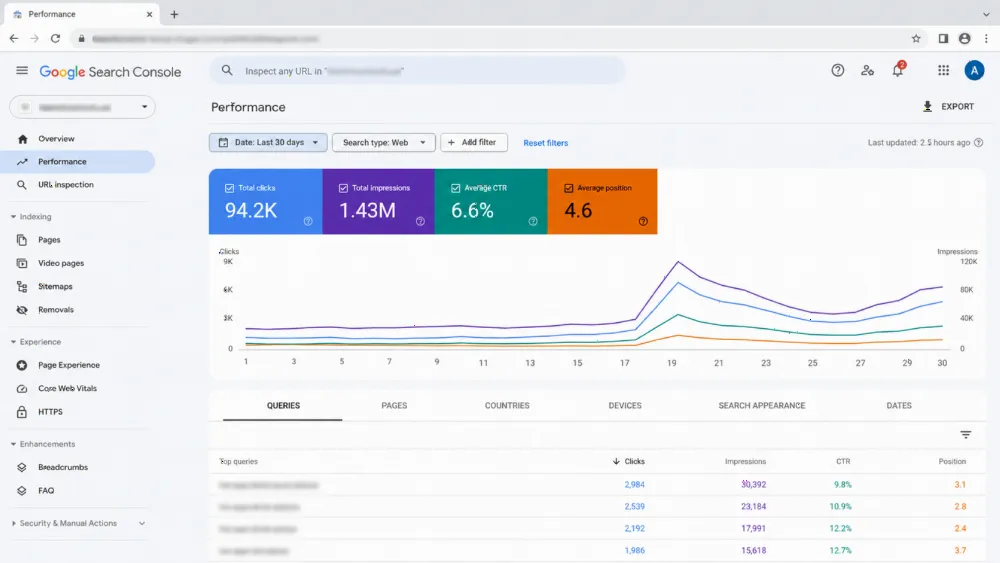
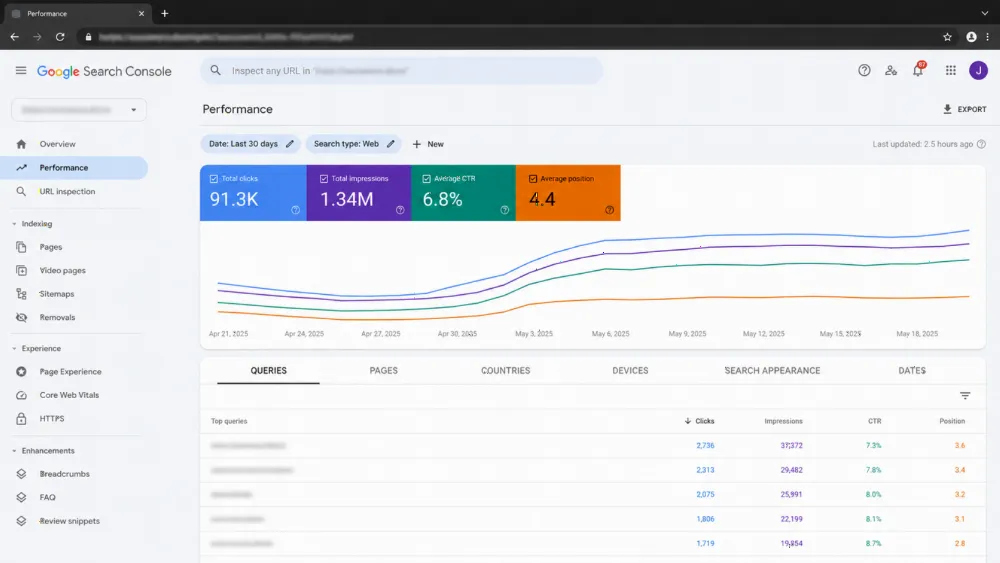
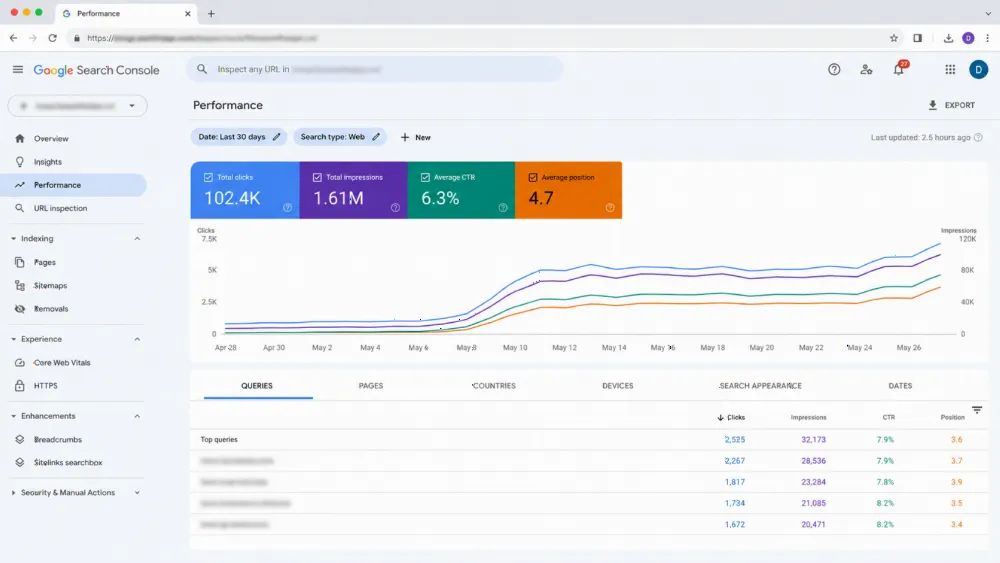
Do not copy anyone else's calendar, including this one, without checking your demand. First, open Google Trends, set the region to United Arab Emirates, and compare your key terms over five years: recurring peaks at the same season confirm true seasonality. Second, in Google Search Console, compare last season's clicks, impressions and positions for your seasonal pages against the weeks before and after. Third, note when your impressions started rising last year — that date, minus your lead time, is next year's working deadline. Fourth, repeat for the queries you lost: pages that gained impressions but few clicks are refresh candidates, not new-page candidates.

Common mistakes (global marketing dates; new URLs every year; treating Ramadan as simply "less traffic")
Copying a global marketing calendar is the first mistake: it plans around other countries' holidays and misses GITEX, the festival and Ramadan. The second is a new URL every year, which restarts rankings annually. The third is treating Ramadan as a dead month instead of a shifted one — nights, gifting and the Eid release are demand, just at different hours. The fourth is never refreshing, so dates and offers go stale on a page Google otherwise trusts.
FAQ
How far in advance should I publish seasonal content for Dubai events?
Refresh an existing seasonal page six to eight weeks before the peak. Publish a brand-new page twelve or more weeks ahead, especially for competitive GITEX or festival terms, so it can be crawled, indexed and supported with internal links before demand rises.
Should I create a new page every year for GITEX or Dubai Shopping Festival?
No. Keep one evergreen URL per season and refresh it yearly with new dates, offers and detail. A new URL each year starts with no history, splits your links, and can leave two similar pages competing with each other.
When is Ramadan in 2027, and how does it change search behaviour?
Ramadan 2027 is expected to begin on 8 February 2027, based on astronomical forecasts and subject to official moon-sighting confirmation. Search activity shifts to evenings and late nights, gifting demand rises, many B2B decisions are deferred, and those decisions release in a surge around Eid Al Fitr.
How do I check whether a keyword is seasonal in the UAE?
Use Google Trends set to the United Arab Emirates over a five-year view to confirm the peak repeats yearly, then compare the same period year over year in Google Search Console to see what your own pages earned. Plan only around peaks both sources support.
What if I have already missed the lead-time window for this season?
Publish anyway, but prioritise: refresh your strongest existing page first, add internal links from relevant live pages, and accept a slower ramp this season. Then record the correct deadline in the calendar so the same page starts next season already ranked.
Want next season planned before the spike, not after it? (CTA)
If your seasonal pages keep arriving after the peak, the problem is the calendar, not the writing. WebStackRank's SEO services in the UAE build the demand calendar, the evergreen URLs and the publish-ahead schedule with you, and our website development team in Dubai can handle any build work the plan needs. See our pricing, then message us on WhatsApp at +971 52 595 3174 with your next big season — you will receive an itemised proposal within 24 business hours.