Hire a Michigan web design team on three things: platform fit (WordPress and headless commerce dominate here), senior depth (the state's real tech talent sits inside automakers and suppliers), and buyer context (an agency that has sold to automotive procurement thinks differently). Expect $8K–$40K for a marketing site and $30K–$80K+ for manufacturing or B2B rebuilds.
Scoping a Michigan build? Get an instant fixed-price website quote or submit your project brief and we'll respond with a scoped estimate, timeline, and relevant work samples.
On this page: what "Michigan web design" means · why Michigan's economy changes the brief · city-by-city market map · what a fair proposal includes · freelancer vs agency vs remote · costly mistakes · FAQs
What does "web design in Michigan" actually mean in 2026?
The phrase bundles three services: visual design (layouts, brand, photography, typography), front-end build (responsive, accessible, fast code), and platform/back-end work — WordPress, Webflow, Shopify, custom Laravel, or headless builds, with Drupal still holding a footprint in university and government work around Ann Arbor and Lansing. When a Grand Rapids manufacturer or Detroit law firm asks for "a new website," they almost always need all three, quoted as one engagement.
Michigan quotes range from $1,500 solo operators to $50,000+ senior teams for headless commerce or enterprise rebuilds. Knowing which tier you need is the difference between a site that pays for itself in six months and one you abandon in twelve. Start by reading how much a website costs in 2026 to calibrate, decide whether a fixed-price web design engagement suits your scope, and compare the trade-offs in fixed-price vs retainer vs time-and-materials.
Why does Michigan's economy change the web design brief?
Michigan is not a generic Midwestern services market — it is the center of the North American mobility industry, and that rewrites what a website has to do.
The auto economy is the client base. Michigan's automotive and mobility industry accounts for roughly $348 billion in annual economic output and more than 1.2 million jobs — over a quarter of state GDP — and 95 of the top 100 North American auto suppliers are located in Michigan, per MEMA/MichAuto reporting. A huge share of Michigan B2B websites therefore sell to engineering buyers: procurement teams that look for ISO certifications, capability statements, and facility photography before they ever read your headline.
The tech talent hides inside manufacturers. An Anderson Economic Group study prepared for Automation Alley estimated metro Detroit alone supports nearly 250,000 technology-related jobs tied to automotive engineering, advanced manufacturing, and mobility software — and the Greater Detroit region ranked fifth nationally in tech industry employment with 210,984 jobs, per Metromode's coverage of the study. As Anderson Economic Group's Patrick Anderson has argued, traditional tech-employment statistics undercount Michigan because its engineers sit inside automakers and suppliers rather than software firms. Michigan also holds about 98,000 engineers, the No. 1 state concentration. The practical upshot for buyers: freelance rates stay reasonable, but senior agency talent is thinner than the raw numbers suggest — vet for seniority, not headcount.
The state is winning business, not just cars. Michigan ranked No. 6 in CNBC's America's Top States for Business 2025 — its highest placement since the list began — and Business Facilities' 2025 metro rankings named Detroit a Tech Talent Leader and Grand Rapids/Kentwood the No. 2 Small Manufacturing Hub (Michigan Business Network). Incoming investment means more companies need credible sites, fast.
If your buyers are engineers and procurement teams, look at manufacturing and industrial website design patterns first, make sure the build is SEO-ready from day one so spec-sheet content actually ranks, and study the Michigan web development market in depth before shortlisting.
How does the Michigan web design market break down city by city?
Grand Rapids & West Michigan. The densest agency cluster in the state, leaning WordPress and headless commerce, with natural specializations in furniture, food and beverage, and manufacturing. Small-business builds run $8,000–$25,000; mid-market manufacturer or B2B rebrands run $30,000–$80,000.
Detroit & Metro Detroit (Royal Oak, Birmingham, Troy, Dearborn). Heavier enterprise tilt — automotive suppliers, healthcare systems, legal practices. Expect higher minimum project sizes, more compliance work (WCAG 2.2 AA is non-negotiable for healthcare and government-adjacent contracts), and stronger development teams than pure visual studios.
Ann Arbor. Shaped by the University of Michigan: education, research, biotech, and startups, with more Drupal expertise than anywhere else in the state thanks to decade-old university CMS estates.
Lansing, Flint & Mid-Michigan. Government and nonprofit work dominates in the capital; Flint's creative sector is small but growing. Price-sensitive — $4,000–$15,000 for competent small-business builds — but most teams handle one or two platforms, not five.
Smaller markets (Howell, Clarkston, Traverse City, the UP). Solo designers and boutique studios serving trades, real estate, and professional services. Quality is genuinely hit-or-miss: some are senior people who left bigger agencies; others are part-time template operators. Vetting matters more here than in the metros.
Wherever you buy, use our guide to choosing a web development company as your interview script, check USA web design services for how a senior team structures these engagements, and browse automotive dealer and mechanic website design if your business touches the vehicle economy.
What should a real Michigan web design proposal include?
Whatever city you're hiring in, a fair quote should not skip these line items. If any are missing, ask why before you sign.
- Discovery and strategy: stakeholder interviews, competitor scan, sitemap, and a written content plan.
- UX wireframes: low-fidelity layouts approved before visual design starts.
- Visual design in Figma: desktop and mobile designs for each unique page template.
- Responsive development: mobile-first, tested on iOS Safari, Chrome, Edge, and Firefox at minimum.
- Accessibility: WCAG 2.2 Level AA — keyboard navigation, color contrast, alt-text discipline.
- On-page SEO foundations: title tags, meta descriptions, schema markup, XML sitemap, robots.txt, canonical tags.
- Performance budget: Core Web Vitals targets (LCP under 2.5s, INP under 200ms, CLS under 0.1) with proof the live site hits them.
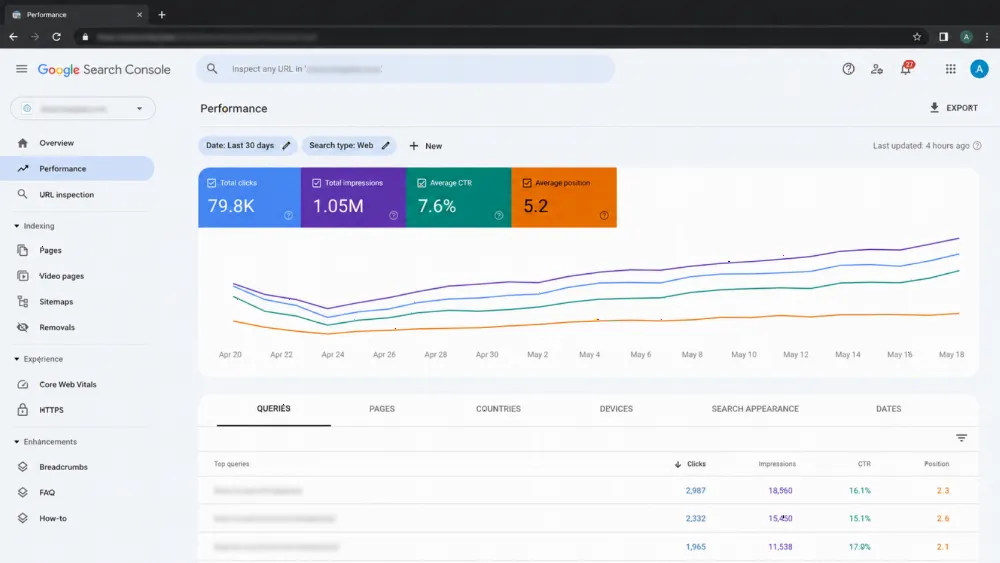
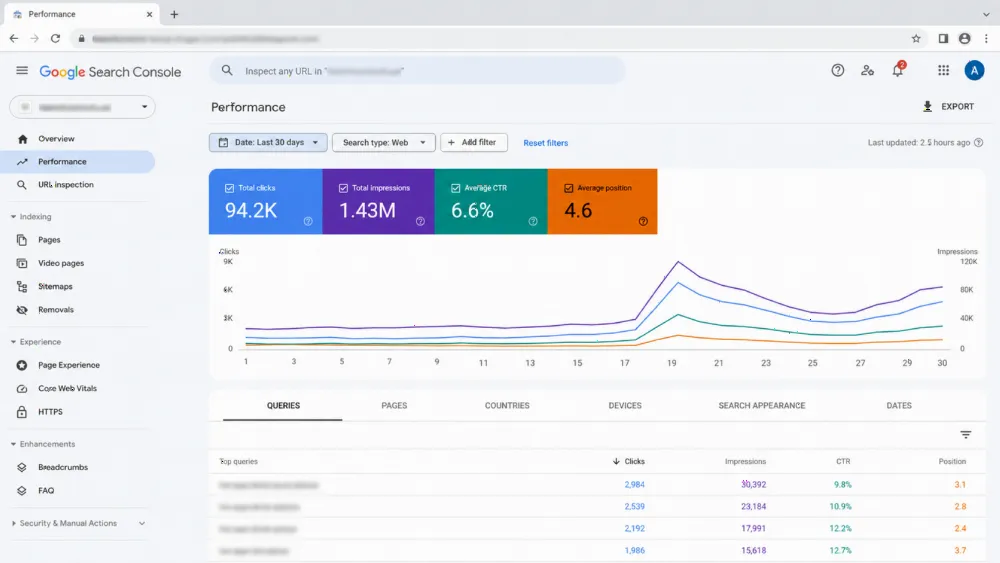
- Analytics and Search Console: GA4 with conversion events, verified Search Console, basic dashboards.
- Content migration: pages and posts moved with 301 redirects mapped — never skipped on a rebuild.
- Training and handoff: a recorded walkthrough so your team can edit without calling the agency.
- 30–60 day post-launch warranty: fixes covered, not billed as change requests.
Cross-check any proposal against a 2026 Core Web Vitals launch checklist, make sure SEO survives the rebuild with a website redesign migration checklist, and lock ownership down with a website handover and ownership checklist.
Freelancer vs local agency vs senior remote team: which fits?
| Factor | Freelancer | Local Michigan agency | Senior remote team |
|---|---|---|---|
| Marketing site price | $1,500 – $6,000 | $8,000 – $40,000 | $10,000 – $60,000 |
| Timeline | 2 – 6 weeks | 8 – 16 weeks | 2 – 8 weeks |
| Strategy depth | Light to none | Moderate | High — discovery is the first deliverable |
| Custom development | Usually template-only | Some custom, mostly themes | Fully custom; Next.js / Laravel / headless |
| On-site photography | Rare | Often included regionally | Coordinated with a local shooter |
| Best fit | Solo professionals, side hustles | Local businesses needing in-person time | B2B, SaaS, manufacturers needing depth and speed |
Two Michigan-specific notes. First, if your site needs original photography — real estate, hospitality, dental, law, manufacturing facilities — a regional team that can drive to you is genuinely useful. Second, for SaaS, B2B services, and ecommerce, proximity is a soft factor at best; widening the search beyond your zip code usually buys better senior talent per dollar.
For the full trade-off analysis read offshore vs agency vs boutique web development, weigh custom web application development if you need more than a marketing site, and compare ecommerce development options if you sell online.
What costly mistakes do Michigan businesses make when hiring?
Buying on portfolio beauty instead of buyer fit. A gorgeous site for a D2C brand tells you nothing about whether the agency can sell to automotive procurement. Ask for three sites built for your buyer type.
Skipping the IP question. Before you sign, ask in writing who owns the Figma files, the codebase, and the hosting account when the project ends. The honest answer is "you do, transferred on final payment." If the agency says "we host it on our infrastructure" without full export rights, you're renting your own website.
Letting content stall the project. Content is where Michigan projects die — the design is approved, then copy takes four months. Confirm who writes it, and budget for it, in the proposal.
Treating SEO as phase two. A rebuild without a redirect map and schema plan can erase years of rankings in a week. SEO belongs in the build quote, not a follow-up retainer.
Each of these is preventable with the right paperwork: run candidates through how to choose a web development company, formalize scope with a web development RFP template, and confirm pricing logic with fixed-price vs retainer vs time-and-materials.
Frequently asked questions
How much does web design cost in Michigan in 2026?
A professional marketing site costs $8,000–$25,000 in Grand Rapids and West Michigan, $4,000–$15,000 in Lansing and Flint, and $10,000–$40,000+ in Metro Detroit for enterprise-leaning builds. Mid-market manufacturer or B2B rebrands typically run $30,000–$80,000. Freelancers start around $1,500 but are usually template-based.
Do I need a Michigan-based web design agency?
Only if you need on-site photography, in-person workshops, or deep industry context like tier-one automotive procurement. For SaaS, B2B services, and ecommerce, a senior remote team usually delivers better talent per dollar. Michigan's own tech workforce is heavily embedded in manufacturers rather than agencies, so widening your search is often the stronger move.
What platform should a Michigan business choose?
WordPress dominates small-business and content-heavy sites; Shopify or headless commerce fits product catalogs; Webflow suits design-led marketing sites; custom Laravel or Next.js fits portals and applications. Around Ann Arbor and Lansing, Drupal still appears in university and government work. Choose by your team's ability to edit it after launch, not by trend.
How long does a Michigan web design project take?
Freelancer brochure sites take 2–6 weeks; local agency marketing sites take 8–16 weeks; senior remote teams often deliver in 2–8 weeks because discovery is tighter. Ecommerce and custom builds run 3–6 months. Client-side content is the most common delay — assign an owner for copy before kickoff.
Who owns my website when the project ends?
You should — the Figma files, the codebase, and the hosting account transfer to you on final payment. Get it in writing. If an agency keeps everything on its own infrastructure without full export rights, you're renting your site and switching vendors later will cost you a rebuild.
What accessibility standard applies in Michigan?
WCAG 2.2 Level AA is the working standard, and it's effectively mandatory for healthcare, education, government-adjacent, and federally funded work. Michigan's enterprise buyers increasingly require a conformance statement in procurement. Even for purely commercial sites, AA conformance reduces legal exposure under the ADA.
Building in Michigan? Submit your project brief for a fixed estimate with relevant manufacturing, B2B, or professional-services examples — or get an instant quote if your scope is already defined.