Saudi search demand runs on two calendars at once. Founding Day (22 February) and National Day (23 September) never move, but Ramadan, Eid al-Fitr, Hajj and Eid al-Adha follow the Hijri lunar calendar and land roughly 10 to 11 days earlier every Gregorian year. A content plan copied from last year's dates therefore publishes late by design: pages go live as demand peaks. This guide is the fix — one Hijri-aware demand calendar, each occasion's demand shape, and the lead times that get pages ranked first.
The short answer: the Saudi demand year on one page (calendar table)
Plan from the Hijri calendar first and the Gregorian calendar second. Anchor the fixed dates, float the Hijri occasions, and work backwards from when searches build — not from the occasion itself. Every Hijri entry stays provisional until that year's official Saudi announcement confirms it.
| Occasion | Calendar basis | How demand behaves | Planning rule |
|---|---|---|---|
| Ramadan | Hijri; moves about 10–11 days earlier yearly | Builds one to two weeks ahead; preparation queries first, commercial queries last | Update pages six to eight weeks ahead |
| Eid al-Fitr | 1 Shawwal, end of Ramadan | Short, intense holiday peak | Ready before Ramadan's final ten days |
| Hajj and Eid al-Adha | Dhu al-Hijjah; about 70 days after Eid al-Fitr | Travel and services demand builds for weeks | Publish updates eight to ten weeks ahead |
| Founding Day | Fixed, 22 February | Predictable, heritage-led interest | Refresh four to six weeks ahead |
| National Day | Fixed, 23 September | Predictable, broad national interest | Refresh four to six weeks ahead |
| White Friday | Late November, Gregorian retail calendar | Retail-led promotion searches | Pages live by early November |
| School year | Ministry of Education calendar, set yearly | Back-to-school and term-break cycles | Rebuild from each newly published calendar |
New to the market itself? Our guide to web development in Saudi Arabia covers costs and local rules.

Why your Gregorian plan misses: the 10–11-day drift, explained once
The Hijri year is a lunar year, shorter than the Gregorian solar year, so every Hijri occasion migrates backwards through the seasons — roughly 10 to 11 days earlier each year, cycling through the whole Gregorian year over about three decades. A Ramadan that falls in spring will, within one planner's career, fall in winter.
Three consequences follow. First, last year's Gregorian publish dates are wrong by default: "publish on 1 February" silently becomes "publish after the build-up". Second, occasions collide differently each year — Ramadan can overlap school terms or the fixed national days, changing what audiences search for.
So plan in Hijri first, then convert: take each occasion's expected position from the Umm al-Qura calendar, mark it provisional, and confirm it against the official Saudi announcement before committing production dates. Contrast our companion guide to Dubai peak season SEO planning, where the big dates stay put.
Ramadan and the two Eids: three different demand curves, not one campaign
Treat these as three curves, not one campaign. Before Ramadan, demand builds gradually, led by preparation and devotional queries: fasting schedules, prayer times, recipes and Ramadan working hours. That build-up, starting one to two weeks out, is when informational pages earn their rankings.
Through the month's first weeks, patterns shift rather than stop: night-time activity rises, daytime commercial searching softens for many retail categories, and food, media and charitable topics hold or grow. In the final ten days the curve bends sharply commercial — clothing, gifts, beauty and travel-home searches climb toward Eid al-Fitr, itself a short, intense peak that quickly gives way to travel and back-to-routine queries.
Eid al-Adha, about 70 days later, runs its own curve — sacrifice, charity, travel and Hajj-adjacent searches — and deserves its own pages, not a copy of the Eid al-Fitr plan. B2B demand behaves differently again: decision-making often slows during Ramadan and the Eid holidays, then rebounds — so service firms should schedule lead-generation content for the build-up and post-Eid restart.
Hajj and Umrah: travel, services and B2B demand around the pilgrimage
Hajj falls in Dhu al-Hijjah, with Eid al-Adha at its end, so it drifts through the Gregorian year exactly as Ramadan does. Demand around it is broader than pilgrim travel alone: pilgrims and families search for packages, visas, health preparation and what to pack, much of it early. Umrah runs all year but intensifies in Ramadan, so hospitality and transport businesses around Makkah and Jeddah face two overlapping curves, not one season.
Inside the Kingdom, residents plan Eid al-Adha travel and family visits. International pilgrims research in many languages; our guide to SEO for bilingual Arabic and English websites covers the site-structure side.

The fixed dates: Founding Day, National Day and White Friday
Founding Day on 22 February and National Day on 23 September are the planner's anchors: fixed Gregorian dates with predictable build-ups. Founding Day demand is heritage-led — history, traditional dress, events and Diriyah-related interest. National Day is broader and more commercial, spanning events, domestic travel and retail. Because the dates never move, refresh the same evergreen page each year, four to six weeks ahead, and let its history compound.
White Friday, the late-November retail peak, is Gregorian too, but its collision pattern changes yearly. One boundary matters: store readiness for these occasions — stock, offers and trading operations — is a separate discipline, covered by our Arabic guide to preparing a Saudi store for Founding Day and National Day. This calendar covers only search-demand and content planning.
School terms: the quiet calendar that drives education and family demand
The school calendar is the quiet driver. The Ministry of Education publishes the academic calendar for Saudi general education — term dates, breaks and exam periods — and family and education demand follows it: admissions and school-supplies searches before the year starts in late summer, tutoring and exam queries inside terms, and travel and course demand in every break.
Because the Ministry sets the calendar and structures the year in terms, rebuild this part of your plan from the newly published calendar each year instead of rolling last year's dates forward; private and international schools may vary dates inside the official framework. Map content to term boundaries: publish back-to-school material while families are still comparing, not in term's first week, and time holiday-activity content to the published breaks.
Lead times that work: when to publish, update and promote each seasonal page
Work backwards from the build-up, not the occasion:
- Ten to twelve weeks out: research and map queries to existing evergreen pages; brief anything genuinely new.
- Eight weeks out: publish or update the main occasion pages, Hajj and Ramadan hubs first.
- Six weeks out: refresh seasonal pages, add internal links, and check Arabic versions match.
- Four weeks out: publish supporting content and start promotion while preparation queries climb.
- Two weeks out: confirm every date against the official announcements and correct anything that moved.
- At the peak: monitor Search Console and fix errors; launch nothing major.

Evergreen seasonal pages: update and re-earn, never rebuild every year
Keep one URL per occasion per intent, and update it every year. A fresh page each year splits rankings, links and history across duplicates that compete with each other; an evergreen page compounds them. Update year-specific facts in place, while keeping the URL, title pattern and core structure stable.
When intent genuinely splits — Ramadan recipes versus Ramadan working hours — split by intent once, not by year. If two legacy year-pages exist, consolidate into the strongest URL with redirects rather than launching a third.
Measure your own demand: Search Console and Trends, read honestly
Measure your own demand instead of importing anyone else's seasonal statistics. In Google Trends, compare your core topics over five years for Saudi Arabia and read the pattern, not the index numbers: when does interest start rising, and how long is the tail? Trends shows relative interest, not search volume, so treat any exact volume or surge percentage quoted by a blog or ad network as marketing, not data — this article states none.
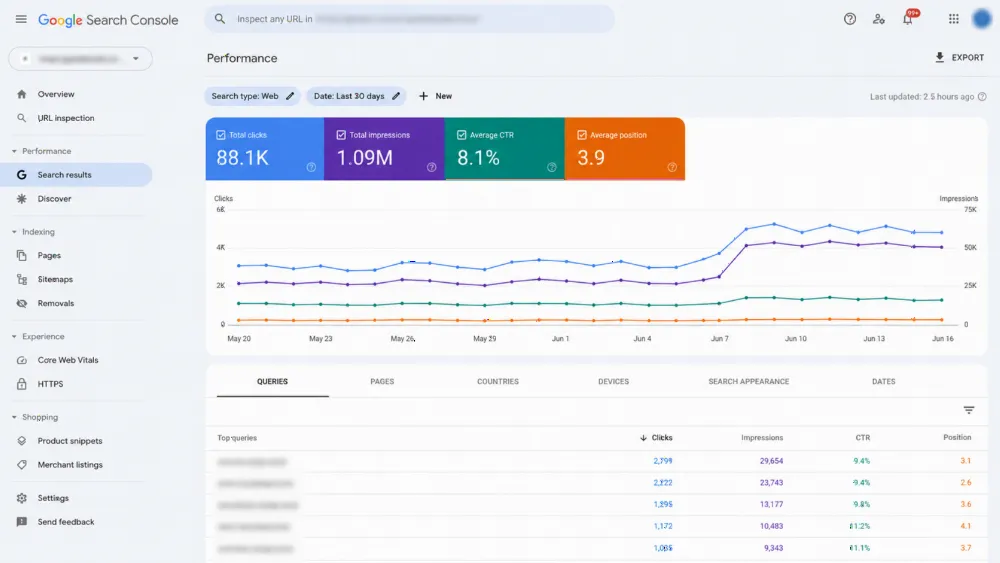
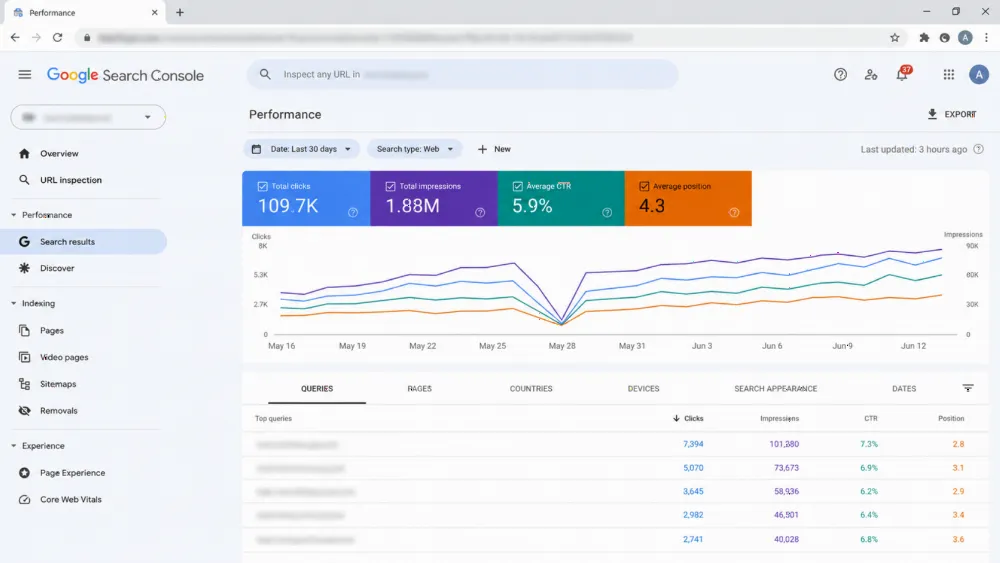
In Search Console, compare each occasion window with the same Hijri window last year, not the same Gregorian dates: impressions rising while positions hold means demand grew. For the Arabic query set behind these checks, use our Arabic keyword research guide, not a translated English list.
Common mistakes: publishing at the peak and calling it a strategy
The defining mistake is publishing at the peak: a Ramadan page launched in Ramadan's first week is a press release, not an SEO asset.
Other recurring errors: a new occasion page every year, splitting your own rankings; one "Ramadan campaign" across three different demand curves; Hijri dates printed as settled fact before the official announcement; planning only for retail while ignoring the B2B slowdown-and-rebound and school-term cycles; and a rival's surge statistics quoted as if measured on your site.
FAQ
How far in advance should I publish Ramadan content in Saudi Arabia?
Publish or update your main Ramadan pages six to eight weeks before the month begins, with Eid al-Fitr content ready before the final ten days.
Why do Ramadan and Hajj dates move every year, and by how much?
They follow the Hijri lunar calendar, whose year is shorter than the Gregorian solar year. Each occasion therefore lands roughly 10 to 11 days earlier every Gregorian year.
Should I create a new National Day page every year?
No. Keep one evergreen National Day URL and update it in place four to six weeks before 23 September. A new page each year splits your history and rankings across competing duplicates.
When does Hajj search demand start building?
Weeks to months before Dhu al-Hijjah: pilgrims research packages, visas, health preparation and packing early, Publish Hajj updates eight to ten weeks ahead.
How do I measure seasonal demand without inventing search volumes?
Use Google Trends for the shape of demand in Saudi Arabia, and Search Console for your own impressions and clicks in each occasion window, compared with the same Hijri window last year.
Get a Saudi SEO calendar built around your demand year (CTA)
If your team keeps missing the same windows, the fix is a calendar, not more content. We can map your occasions, demand shapes and lead times into one Hijri-aware plan, then build or refresh the evergreen pages that carry it — no retainer required. Start with our SEO services for Saudi Arabia, tell us your sectors and busiest occasions, and we will reply with an itemised proposal within 24 business hours. See also our Saudi Arabia services.